The building you'll be staying in, and the White City around it
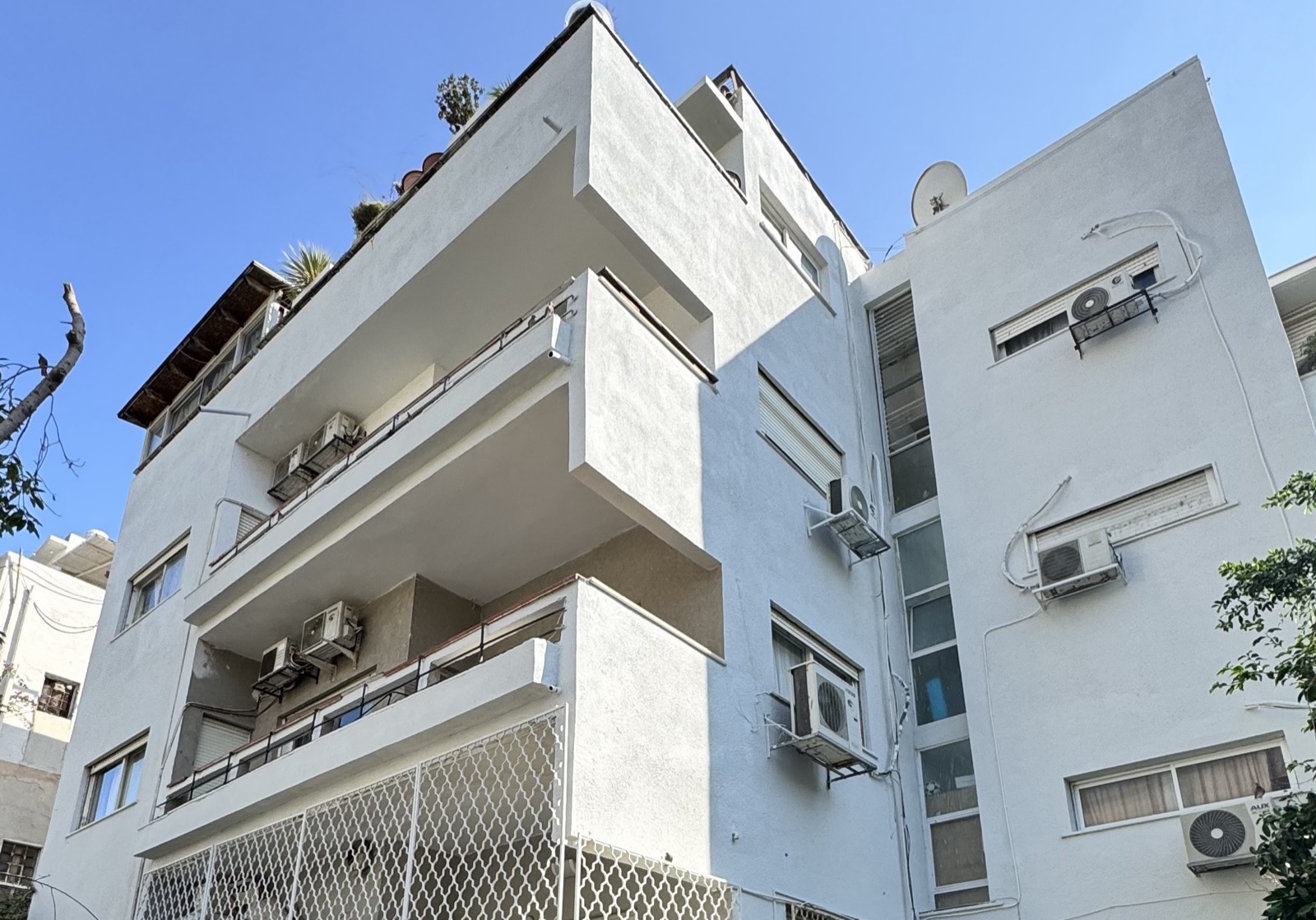
If you've booked with us, you're staying in a building that's part of a UNESCO World Heritage site. Nobody mentions this at check-in. In this part of Tel Aviv it's an ordinary thing to be: the next building along is much the same, and so is the one after that, and people live in all of them.
The short version
- 16 Ruppin Street is a 1930s International Style building - what everyone here calls Bauhaus.
- Tel Aviv's White City was inscribed as a UNESCO World Heritage site in 2003.
- You don't need a tour. The best examples are on the streets between us and Dizengoff.
- Look for a flat roof, white render, deep balconies and a narrow stairwell window.
Why there's so much of it here
In the 1930s a generation of architects who had trained in Europe - several of them at the Bauhaus school itself - arrived in a city that was expanding fast and had almost nothing built yet. They brought a style stripped of ornament, and they adapted it to a place with far more sun than Dessau or Berlin.
The adaptation is the interesting part. The deep balconies are there for shade. The buildings sit on columns so air can move underneath them. Windows are small on the sun-facing walls and generous where they're sheltered.
A pedantic note: most of this is International Style, and only a handful of the architects ever set foot in the Bauhaus. Everyone here calls it Bauhaus anyway. So will we.
What to look for
Four things. The last one is the one people walk past.
Flat roofs. No tiles, no pitch. Often a roof terrace, sometimes a garden on it. Ours has plants you can see from the street if you stand back far enough.
White or pale render. Hence the name, although decades of sun and salt have taken most of it to cream. A facade that has just been done stands out sharply against the one next door that hasn't.
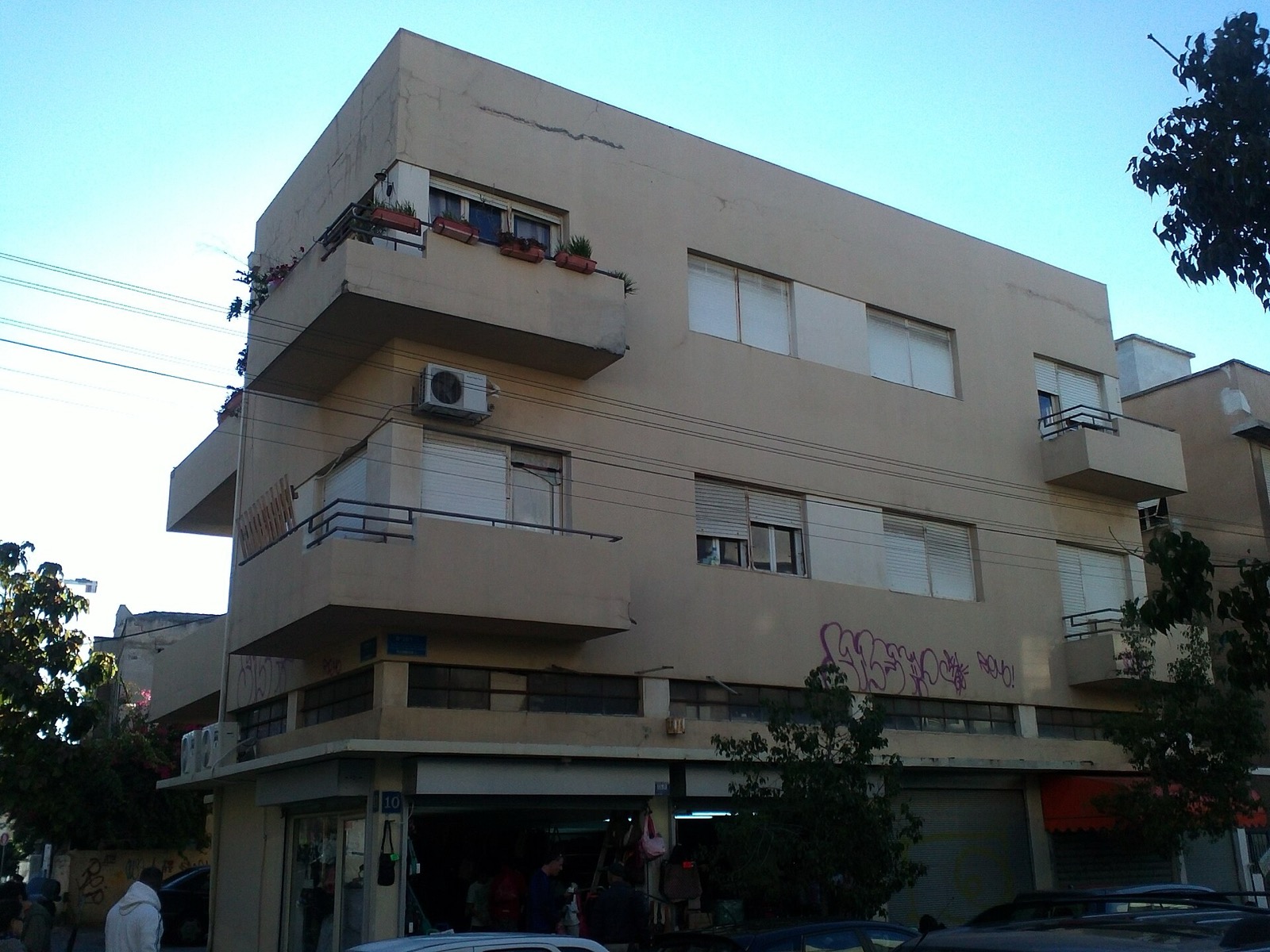
Balconies that stick out. This is the giveaway. They cantilever from the building with no visible support, stacked one above another up a corner. Some are rounded, sweeping around the angle of the building in a curve. Others - including ours - are square, with deep flat slabs casting hard shadows down the facade.
Narrow vertical windows. A thin strip of glass climbing the full height of a facade, usually beside the entrance. That's the stairwell, lit from top to bottom, and the strip is known here as a thermometer window.
Our building
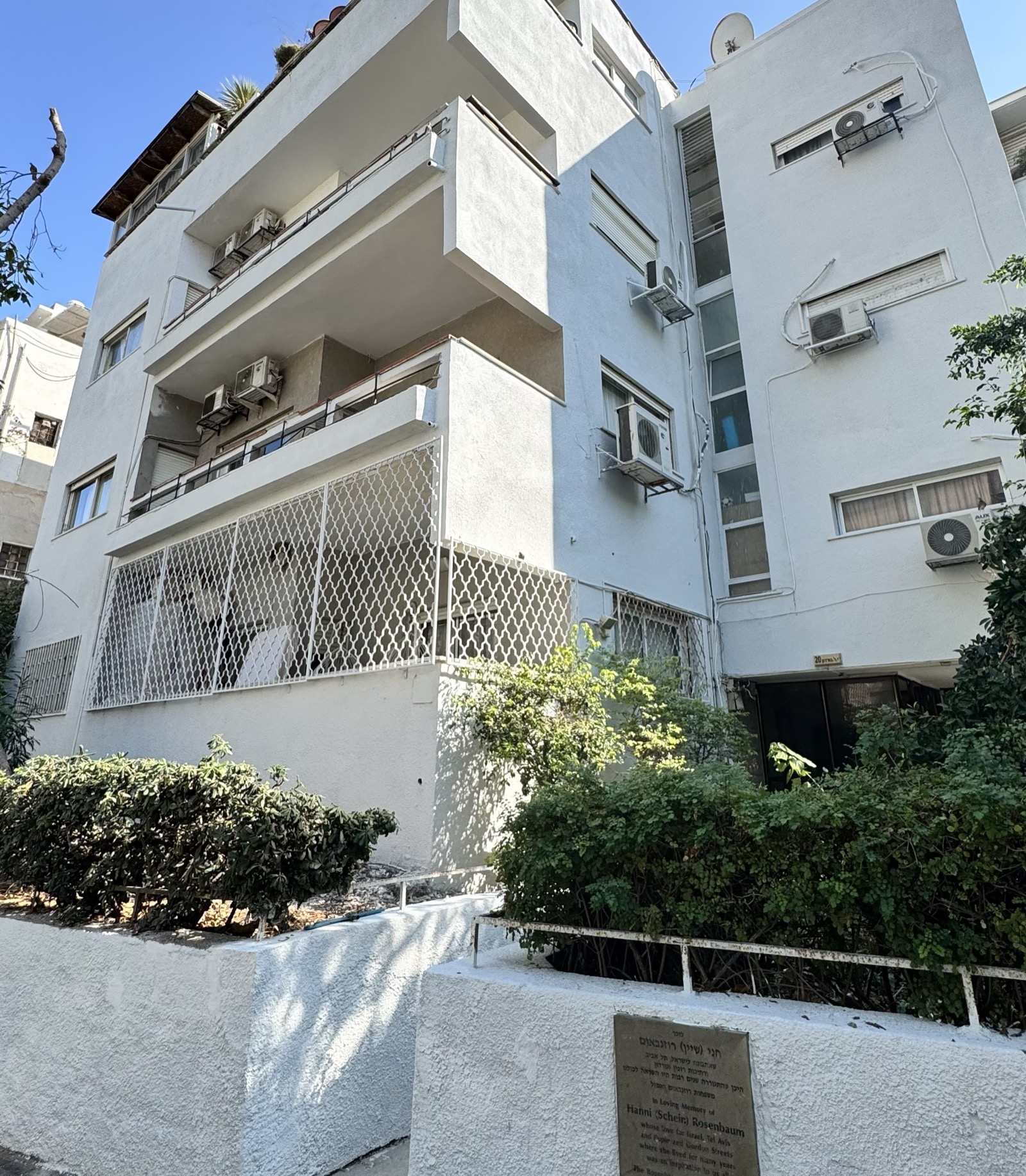
16 Ruppin is the square-balcony kind. Three levels of them stack up the corner, each one a plain slab with nothing underneath it, throwing a hard band of shadow across the render on a sunny morning. The roofline is flat and unbroken. There's no decoration anywhere on the facade: no mouldings, no cornice, nothing applied to it at all.
Walk along the street and you'll see air-conditioning units bolted to the walls and cables running across the render on building after building. Restoration in the White City is slow and expensive, and most of these are simply lived in.
There are 11 apartments in the building altogether and we let 7 of them. The other four are homes, so some of the people you pass on the stairs live here.
Inside, the apartments have been renovated - Apartment 6 and Apartment 7 keep the high ceilings the period is good for, and Apartment 7 looks onto the trees along Ruppin Street itself.
A short walk, starting at the door
You don't need to go far. Gordon and Frishman both run inland from the seafront to Dizengoff, and either one gives you twenty minutes of this on the way. Keep your eyes above the shopfronts: at street level you're looking at a supermarket or a bakery, and the 1930s starts at the first floor.
If you want to go further, Dizengoff Square and the streets running off it hold some of the best-restored examples in the city, and Rothschild Boulevard south of there is the grand version: wide, tree-lined, and carrying the buildings that end up on the postcards. It's a long walk from us or a short ride.
Come back along the seafront if you're heading that way; it's 200m from our door to the beach. Late afternoon is when the render stops looking grey and starts looking like the photographs.
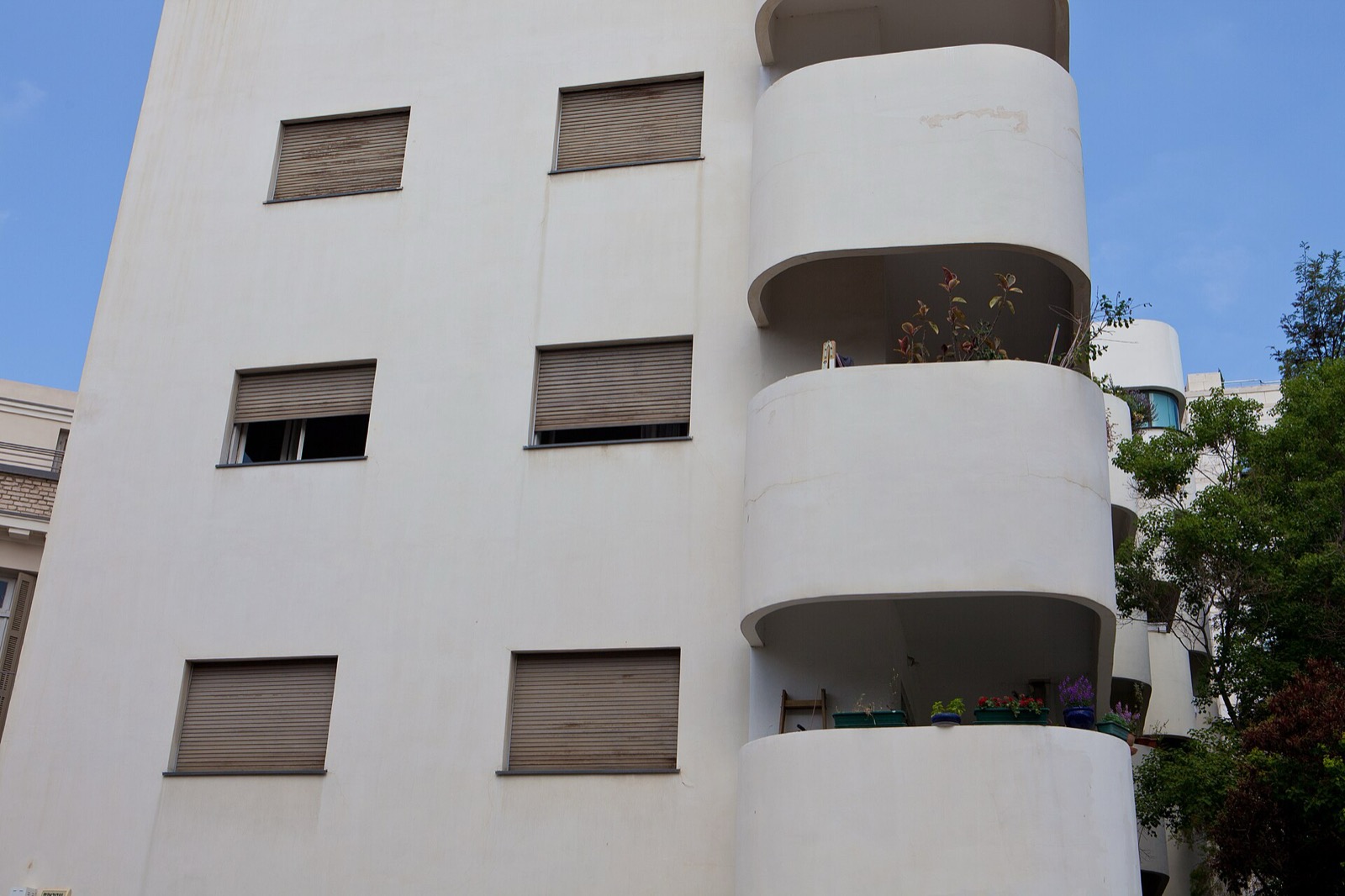
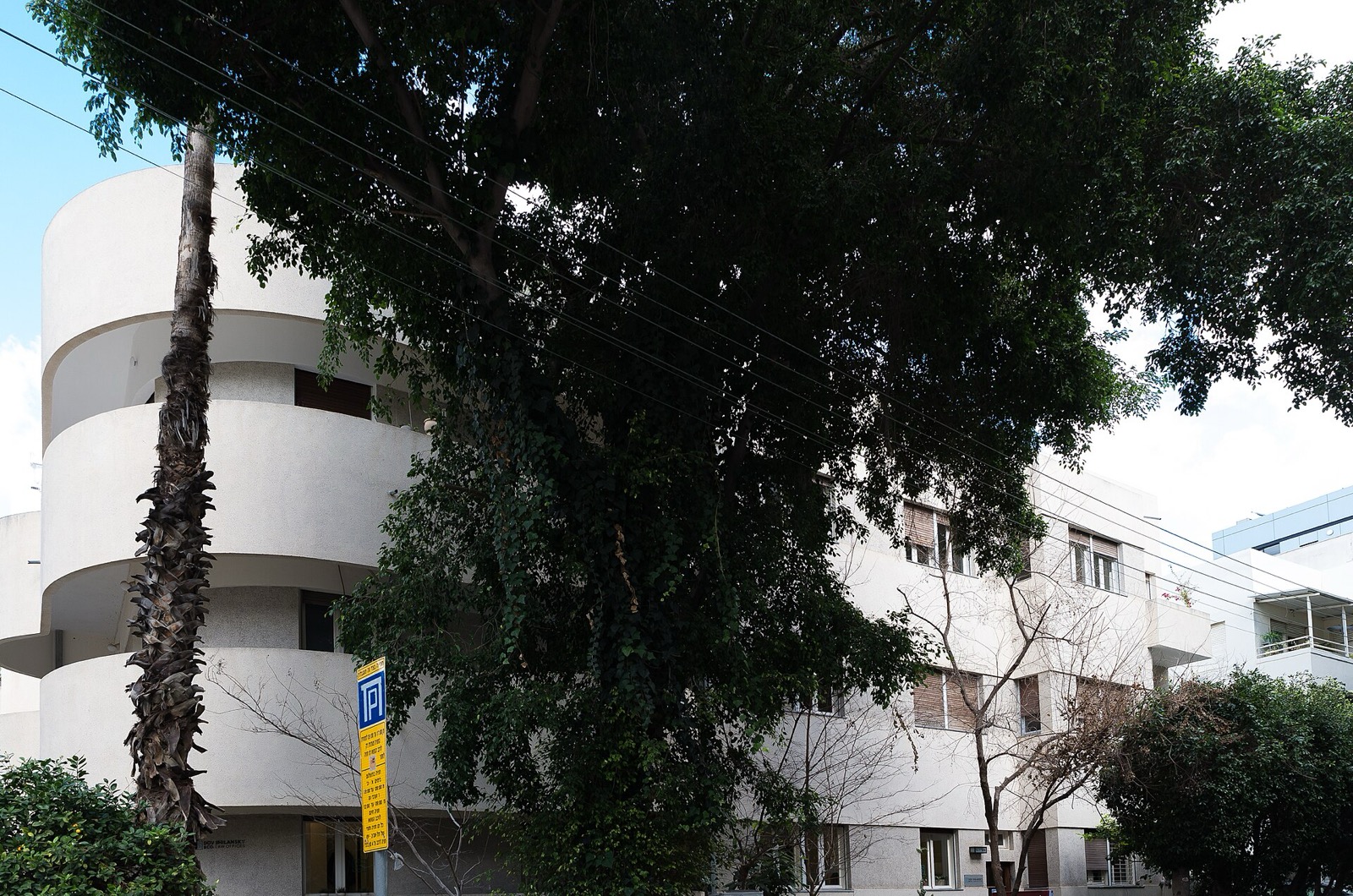
Photograph: Ruppin Apartments · Dana Friedlander / Israel Ministry of Tourism, CC BY-SA 2.0, via Wikimedia Commons · Roni Pomerantz, CC BY 2.5, via Wikimedia Commons · Юкатан, CC BY-SA 3.0, via Wikimedia Commons